Squirrel Mandarin Fish
A classic representative of Jiangsu Cuisine, this dish originates from Suzhou, Jiangsu Province. It gets its name from its squirrel-like shape, and is famed for its crispy exterior, tender fish meat inside, and delightful sweet-and-sour flavor. When the hot sweet-and-sour sauce is poured over the fried fish, it makes a squeaking sound just like a squirrel.
Difficulty
Master
Prep Time
30min
Cook Time
10min
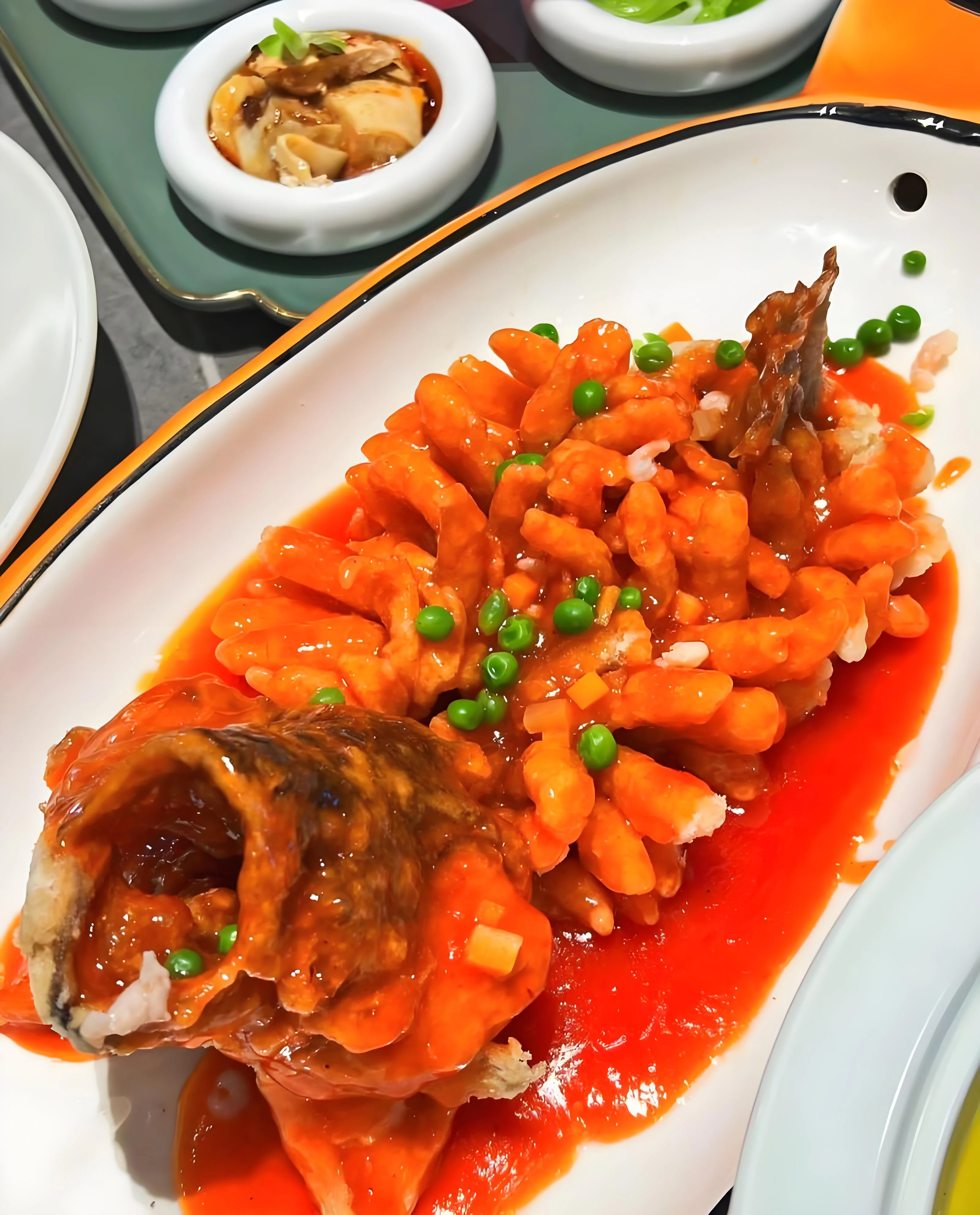
Master · Heritage Classics
Method
Prepare the Fish Head
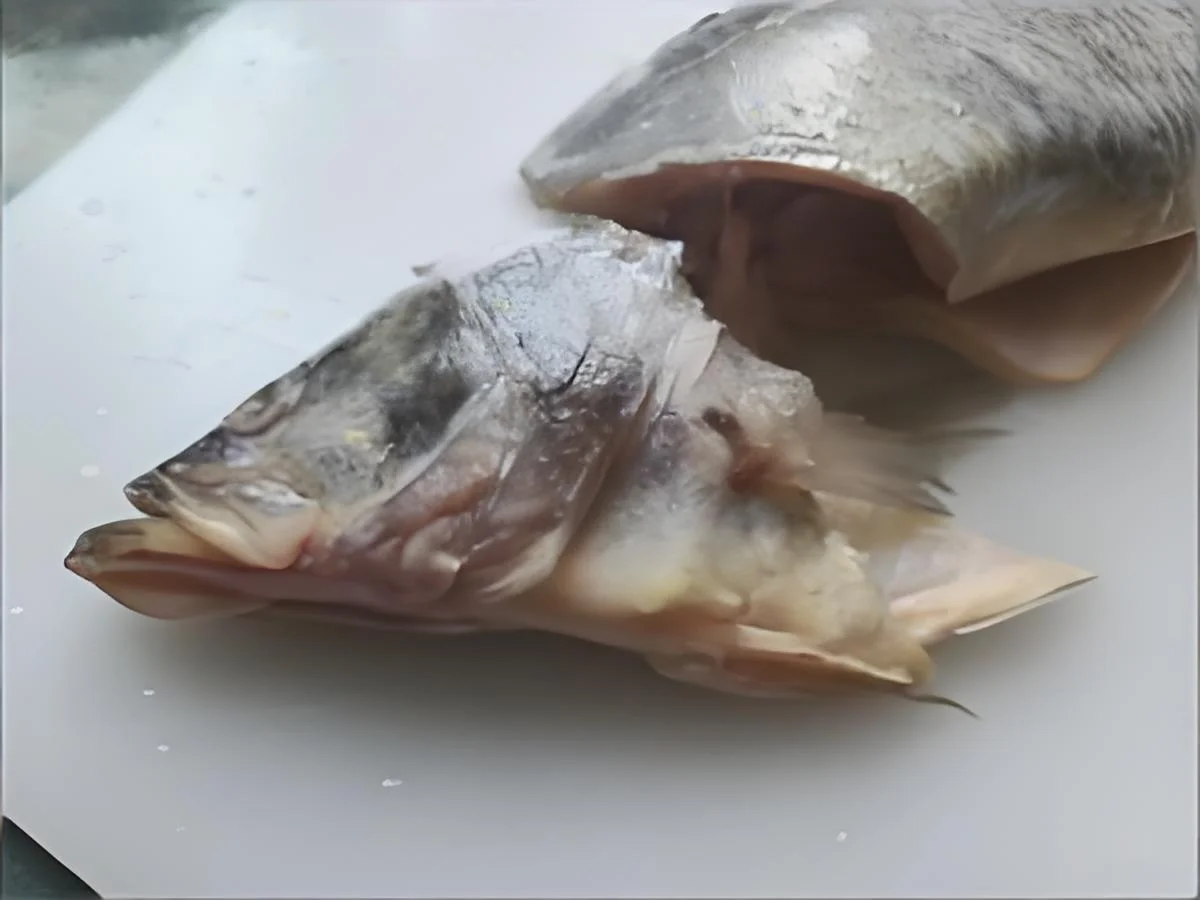
Cut off the fish head right behind the pectoral fins. Slice open the chin, then flatten the head with the back of a knife. Insert a toothpick into the mouth to prop it open and shape it like a squirrel’s head. Remove the gills and innards, then rinse thoroughly.
Fillet the Fish
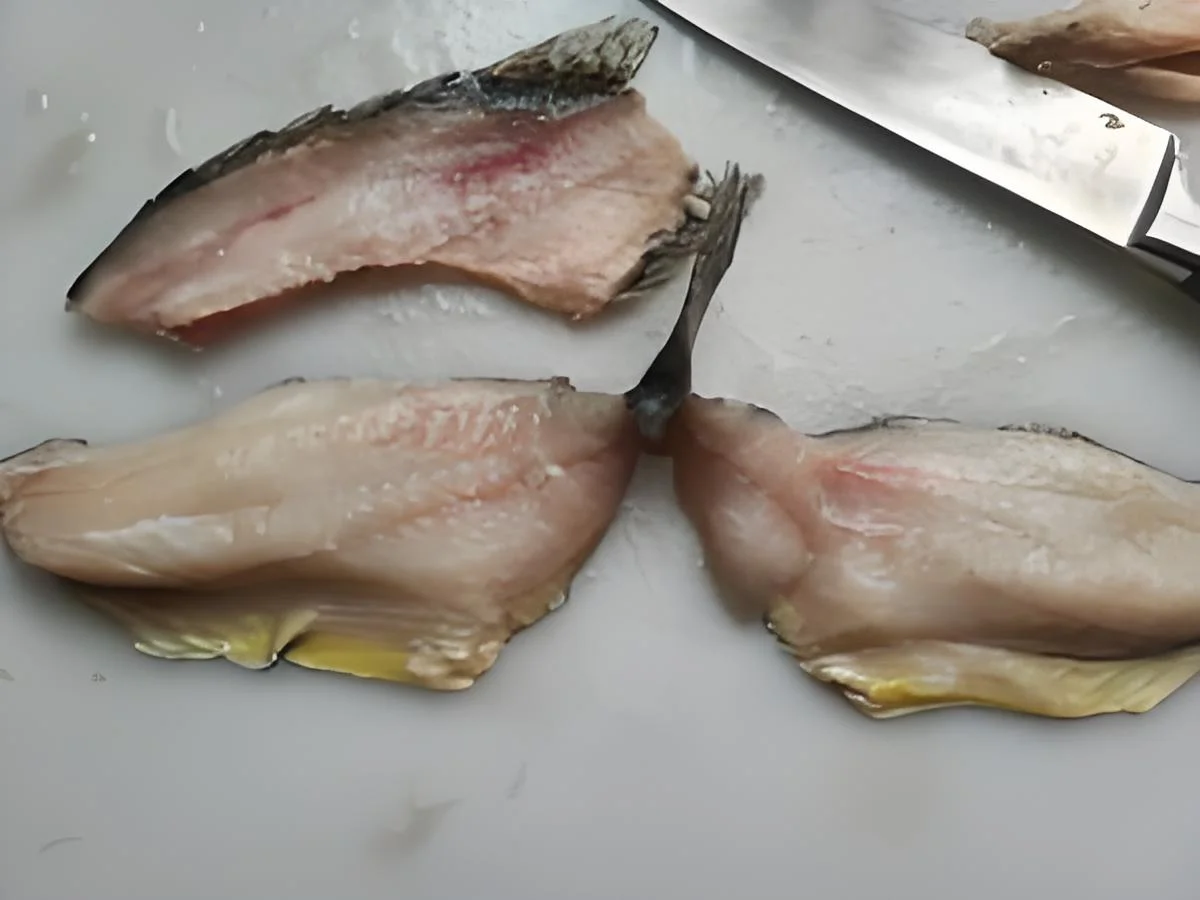
Lay the fish flat, then slice two fillets from both sides of the spine starting from the fish’s back. Do NOT cut through the tail at all. Trim out the central spine and fine abdominal bones, leaving only skin-on fillets connected at the tail.
Score Diamond Cuts (Critical Step)
Place the fillets skin-side down on the cutting board:
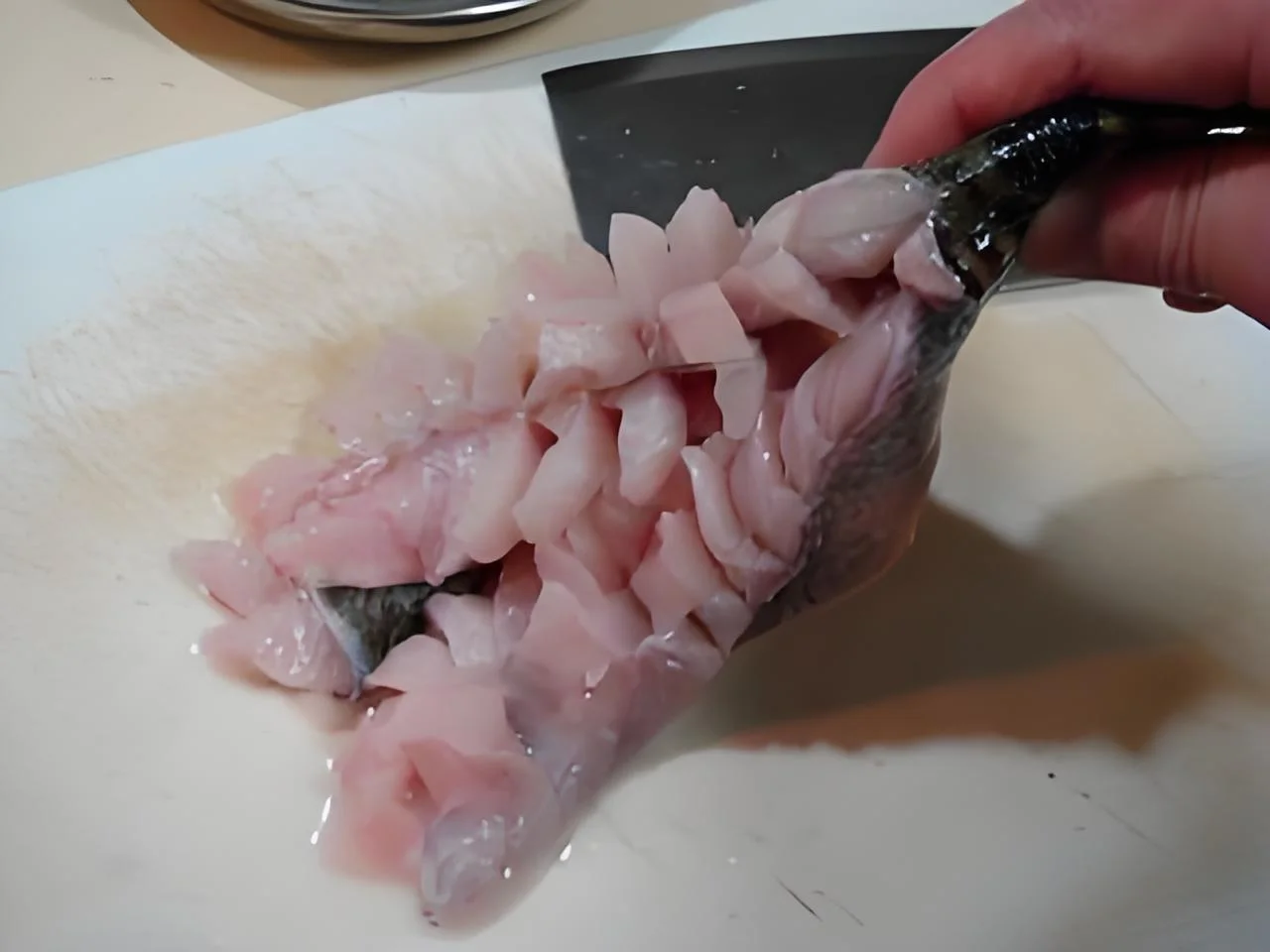
- Slant the knife at a 45° angle, make cuts 1 cm apart, cutting 4/5 of the way through the flesh – take great care not to pierce the fish skin.
- Rotate the fillet 90°, make straight vertical cuts with the same 1 cm spacing, again stopping before cutting through the skin. After scoring, the flesh forms small diamond cubes. When lifted by the tail, the scored meat fans out naturally, resembling a bushy squirrel tail.
Marinate & Dust with Starch (For Crisp, Non-Peeling Crust)
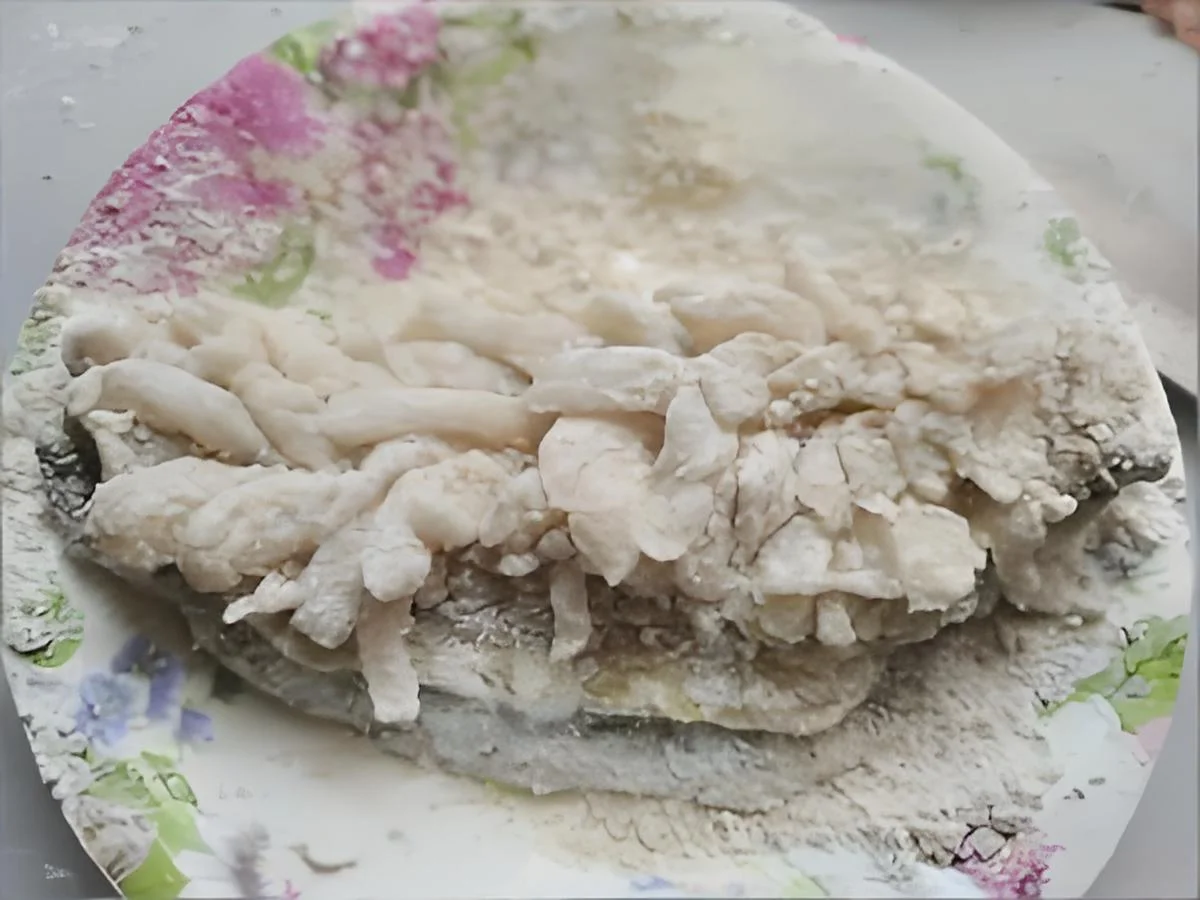
- Place the fillets and fish head in a bowl. Add ginger-scallion water, Chinese cooking wine, a pinch of salt and white pepper. Rub evenly and marinate for 10 minutes to eliminate fishy odor. After marinating, blot all surface moisture completely with kitchen paper – residual water will make the starch peel off and the fried crust turn soggy.
- Coat every surface thoroughly with dry starch. Pack starch fully into every cut crevice and gap between scored flesh. Lift the fish and shake off excess loose starch. Dust the fish head equally to set its shape, then tuck the tail inward and curl it upward.
Double Deep-Frying (Secret to Crisp Exterior, Tender Interior)
- Pour plenty of cooking oil into a wok and heat to 60% oil temperature (150–180°C); test by inserting chopsticks – dense fine bubbles will rise around them.
- Hold the fish by its tail and lower it into the oil. Use a large ladle to continuously pour hot oil over the fillets to set the scored diamond shape and make them fan open. Submerge the whole fillets and fish head fully into the oil, deep-fry over medium-low heat for 3–4 minutes until the entire fish turns golden and holds its shape, then remove from oil.
- Raise the oil temperature to 80% heat (180–200°C); faint thin smoke will rise from the oil surface. Put the fish back into the hot oil for a 30-second flash double-fry. The crust hardens instantly and becomes shatteringly crisp. Lift out the fish, drain excess oil and arrange on a serving platter: place the fish head at the front, fillets and tail at the back to complete the full squirrel silhouette.
Make the Signature Sweet & Sour Sauce
- Take a separate clean small wok, add a thin layer of oil and sauté minced garlic until fragrant. Pour in tomato ketchup and simmer over low heat, stir to cook out the raw tomato taste and release red oil.
- Add water, white sugar, white vinegar and a tiny pinch of salt one after another (the salt enhances sweetness and balances sourness). Bring to a rolling boil over high heat until all sugar fully dissolves.
- Add blanched, fully cooked green peas, corn kernels and diced carrots, simmer on low heat for 1 minute. Gradually pour in starch slurry while stirring to thicken the sauce; keep simmering until the sauce thickens enough to cling to the back of a spoon.
- Right before turning off the heat, stir in one ladle of hot oil reserved from frying the fish. The sauce will turn glossy, translucent and perfectly balanced sweet and sour.
Final Serve
Pour the piping-hot thick sweet and sour sauce evenly over the freshly fried mandarin fish while still hot. The rich sweet-sour aroma bursts out immediately, ready to serve.
Chef's notebook
Chef's Tips
Knife work:
Cut only down to the fish skin throughout. If the skin is pierced, the flesh will fall apart during frying and fail to hold its shape.
Starch coating:
Dry starch is mandatory. Fill every cut crevice thoroughly with starch and wipe off all surface moisture; otherwise, the fried fish will turn limp and soggy.
Double frying:
The 30-second re-fry is the vital step to achieve a crisp crust that won’t turn soft later. This step cannot be skipped.
Balanced sweet and sour flavor:
A tiny amount of salt is indispensable. It amplifies the sweet-and-sour taste without making the dish taste salty.
Fish selection:
Opt for large mandarin fish weighing over 700 grams. Thicker flesh allows the scored diamond cuts to fan out beautifully after frying.
Reader Reviews
0 reviews